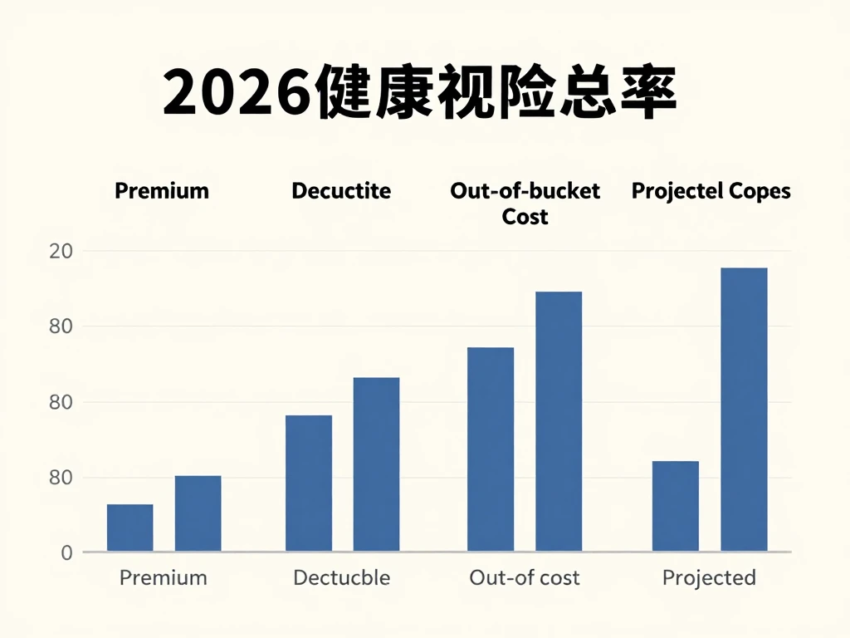
Understanding health insurance costs in 2026 is important when choosing healthcare coverage. The price of a health insurance plan is not determined by the monthly premium alone. Deductibles, copayments, coinsurance, prescription costs, provider networks, and out-of-pocket limits can all affect how much you spend on healthcare during a plan year.
A plan with a low monthly premium may have higher costs when you receive medical care, while a plan with a higher premium may provide a different cost-sharing structure. For this reason, comparing total potential healthcare costs is often more useful than looking at the premium alone.
This guide explains the main components of health insurance costs, including premiums, deductibles, copays, coinsurance, out-of-pocket maximums, prescription expenses, and practical ways to manage healthcare spending.
What Are Health Insurance Costs?
Health insurance costs are the expenses associated with maintaining and using health insurance coverage.
These costs generally include:
- Monthly premiums
- Deductibles
- Copayments
- Coinsurance
- Prescription costs
- Out-of-network expenses
- Certain non-covered services
- Other eligible healthcare expenses
Some costs are predictable, while others depend on how much healthcare you use.
The total amount you spend during a year can therefore be very different from the amount you pay in monthly premiums.
Health Insurance Premiums
The health insurance premium is the amount you pay to maintain your insurance coverage.
Premiums are commonly paid monthly, although payment arrangements vary depending on the type of insurance.
For employer-sponsored coverage, an employer may pay part of the premium while the employee pays the remaining portion.
For individual coverage, the policyholder may be responsible for the applicable premium after considering any available financial assistance for which they qualify.
A premium is generally required even when you do not use medical services.
Why Premiums Differ
Health insurance premiums can vary based on several factors.
These may include:
- Age
- Location
- Coverage level
- Number of people covered
- Type of plan
- Tobacco use where applicable
- Employer contribution
- Available financial assistance
- Insurance market rules
The exact factors that can be used to determine premiums depend on the applicable laws and type of health coverage.
What Is a Deductible?
A deductible is the amount a policyholder may have to pay for certain covered healthcare services before the health plan begins sharing costs according to its terms.
For example, imagine a plan with a $2,500 deductible.
If eligible services subject to the deductible cost $1,000, you may be responsible for that applicable amount.
If additional eligible services cost $1,500, you could reach the deductible.
After the deductible is satisfied, the plan may begin applying copayments or coinsurance according to the policy.
Not all healthcare services necessarily require the deductible to be met first.
High Deductible vs Low Deductible Plans
Health insurance plans can have different deductible levels.
A plan with a higher deductible may have a lower premium in some cases.
A plan with a lower deductible may have a higher premium.
The choice depends on your healthcare needs and ability to handle out-of-pocket expenses.
When comparing plans, consider both the monthly premium and the potential cost of healthcare services.
Copayments and Health Insurance Costs
A copayment, or copay, is a fixed amount paid for an eligible healthcare service.
For example, a plan may require a fixed payment for a primary care appointment.
Other services, such as specialist visits, urgent care, or prescriptions, may have different copays.
Copayments can make certain healthcare expenses easier to predict because they are fixed amounts rather than percentages.
However, not every service necessarily has a copay.
Coinsurance
Coinsurance is usually a percentage of the cost of an eligible covered service.
For example, if a plan requires 20% coinsurance and the applicable covered amount is $1,000, the policyholder may be responsible for $200 while the insurer pays $800.
The actual amount can depend on the plan’s deductible, allowed amount, network status, and other policy conditions.
Coinsurance can become important when healthcare services are expensive because a percentage-based cost can result in significant out-of-pocket expenses.
Out-of-Pocket Maximum
The out-of-pocket maximum is one of the most important numbers to consider when comparing health insurance.
It generally limits how much you pay for certain covered healthcare services during a plan year.
Once you reach the applicable maximum, the plan generally pays 100% of covered benefits for the remainder of that plan year, subject to the plan’s terms.
Premiums are generally separate from this limit.
Certain out-of-network services, non-covered services, or other expenses may also be treated differently depending on the plan.
How Total Health Insurance Costs Work
Consider a hypothetical example.
Suppose someone has:
- Monthly premium: $300
- Annual deductible: $2,000
- Coinsurance: 20%
- Out-of-pocket maximum: $7,000
The annual premium would be:
$300 × 12 = $3,600
That $3,600 is paid to maintain coverage.
If the person also receives healthcare services, they may have additional expenses through the deductible, copays, or coinsurance.
This example demonstrates why the premium alone does not represent the total potential cost of health insurance.
Prescription Drug Costs
Prescription medications can represent a significant part of healthcare spending.
Health insurance plans may use formularies that organize medications into different tiers.
Different tiers can have different cost-sharing requirements.
Prescription costs may depend on:
- Generic vs brand-name medication
- Drug tier
- Pharmacy network
- Deductible
- Copayment
- Coinsurance
- Specialty medication rules
Before choosing a health insurance plan, people who take regular medications should review the plan’s prescription coverage.
In-Network Healthcare Costs
Using in-network providers can often reduce healthcare costs under network-based insurance plans.
An in-network provider has an agreement with the insurance company.
The insurer and provider have negotiated applicable rates under the network arrangement.
Out-of-network care may have higher costs or may not be covered under certain plans, except in situations covered by the policy.
Before scheduling non-emergency treatment, check whether the doctor and facility are in your network.
Out-of-Network Costs
Out-of-network costs can vary significantly depending on the plan.
Some plans provide partial coverage for out-of-network services.
Other plans may provide little or no coverage for routine out-of-network care.
Out-of-network expenses can also be treated differently when calculating your applicable out-of-pocket maximum.
Always review the specific plan rules before receiving non-emergency out-of-network care.
Preventive Care and Costs
Preventive care can help identify health problems early and support long-term health management.
Depending on the health plan and applicable requirements, certain preventive services may be available with limited or no cost-sharing.
Examples can include certain:
- Health screenings
- Immunizations
- Preventive visits
- Counseling services
Coverage can depend on the service, provider, plan, and applicable rules.
Emergency Healthcare Costs
Emergency care can be expensive without insurance.
Health insurance can help reduce the financial impact of eligible emergency services.
Emergency coverage rules may differ from ordinary network requirements.
If you have a medical emergency, seek appropriate medical care first. Coverage and billing questions can be addressed with your insurer afterward.
How to Estimate Your Annual Health Insurance Costs
A useful way to compare plans is to estimate both fixed and potential healthcare expenses.
Start with your annual premium.
Then consider:
- Expected doctor visits
- Prescription medications
- Specialist appointments
- Planned procedures
- Expected deductible spending
- Copayments
- Coinsurance
- Potential out-of-pocket maximum
For example:
Annual premium + expected healthcare spending = estimated annual cost
This is not a guarantee of actual expenses, but it can help when comparing plans.
Best Ways to Save on Health Insurance Costs
There are several ways consumers may manage healthcare expenses.
Compare Plans Carefully
Do not select a plan based solely on the monthly premium.
Compare the entire cost structure.
Use In-Network Providers
When your plan uses provider networks, choosing in-network providers can reduce applicable costs.
Review Prescription Coverage
Check whether your medications are covered and understand their applicable cost-sharing.
Use Preventive Services
Take advantage of preventive services included under your plan when appropriate.
Understand Your Benefits
Knowing what your insurance covers can help prevent unexpected expenses.
Review Medical Bills
Check medical bills against your insurance statements.
If something appears incorrect, contact the healthcare provider or insurer.
Health Savings Accounts
Some eligible high-deductible health plans can be paired with a Health Savings Account, or HSA.
An HSA may allow eligible individuals to set aside funds for qualified medical expenses under applicable tax rules.
HSA eligibility, contribution limits, tax treatment, and qualified expenses are subject to applicable laws and can change over time.
People considering an HSA should review current official guidance.
Employer Health Insurance Costs
Employer-sponsored health insurance can have a different cost structure from individual coverage.
An employer may contribute toward the employee’s premium, reducing the amount deducted from the employee’s paycheck.
Employees should compare:
- Employee premium
- Deductible
- Copays
- Coinsurance
- Out-of-pocket maximum
- Provider network
- Prescription coverage
- Employer contributions
A plan with a higher employee premium may have a different cost-sharing structure that could be useful depending on healthcare needs.
Family Health Insurance Costs
Families should consider the cost of covering multiple people.
Family plans may have:
- Individual deductibles
- Family deductibles
- Individual out-of-pocket limits
- Family out-of-pocket limits
- Different copays
- Prescription expenses
Parents should also consider pediatric healthcare, preventive services, specialist access, and prescription needs when comparing coverage.
Common Mistakes When Comparing Health Insurance Costs
One common mistake is focusing only on the premium.
Another is ignoring the provider network.
Some consumers also fail to check prescription coverage before choosing a plan.
Other mistakes include:
- Not checking the deductible
- Ignoring coinsurance
- Not reviewing the out-of-pocket maximum
- Forgetting about family costs
- Not checking specialist access
- Assuming every healthcare service is covered
- Not reviewing plan documents
A complete comparison can help reduce surprises.
Questions to Ask Before Choosing a Plan
Before selecting health insurance, consider these questions:
- How much is the monthly premium?
- What is the annual deductible?
- What are the copayments?
- What is the coinsurance percentage?
- What is the out-of-pocket maximum?
- Are my preferred doctors in-network?
- Are my medications covered?
- Which hospitals are included?
- Are specialist referrals required?
- What services require prior authorization?
Answering these questions can provide a clearer picture of potential healthcare costs.
Final Thoughts
Understanding health insurance costs in 2026 requires looking beyond the monthly premium. Deductibles, copayments, coinsurance, prescription expenses, provider networks, and out-of-pocket maximums can all affect the amount you spend.
When comparing health insurance plans, consider your expected healthcare needs and your ability to handle unexpected medical expenses. Review the complete cost structure rather than focusing on one number.
A careful comparison can help you understand potential expenses, make better use of your coverage, and plan your healthcare budget more effectively.